Failure to Diagnose · Missed Testicular Torsion

Missed Testicular Torsion in a Florida Emergency Room: When a Delayed Diagnosis Becomes Malpractice

Testicular torsion cuts off blood flow to the testicle and is treated as a surgical emergency. When an emergency room misdiagnoses it as epididymitis or a strain, the delay can cost the testicle. This guide covers the emergency standard of care and Florida's Chapter 766 pre-suit process.

Availability
24/7 · No fee unless we win
Licensed
State of Florida
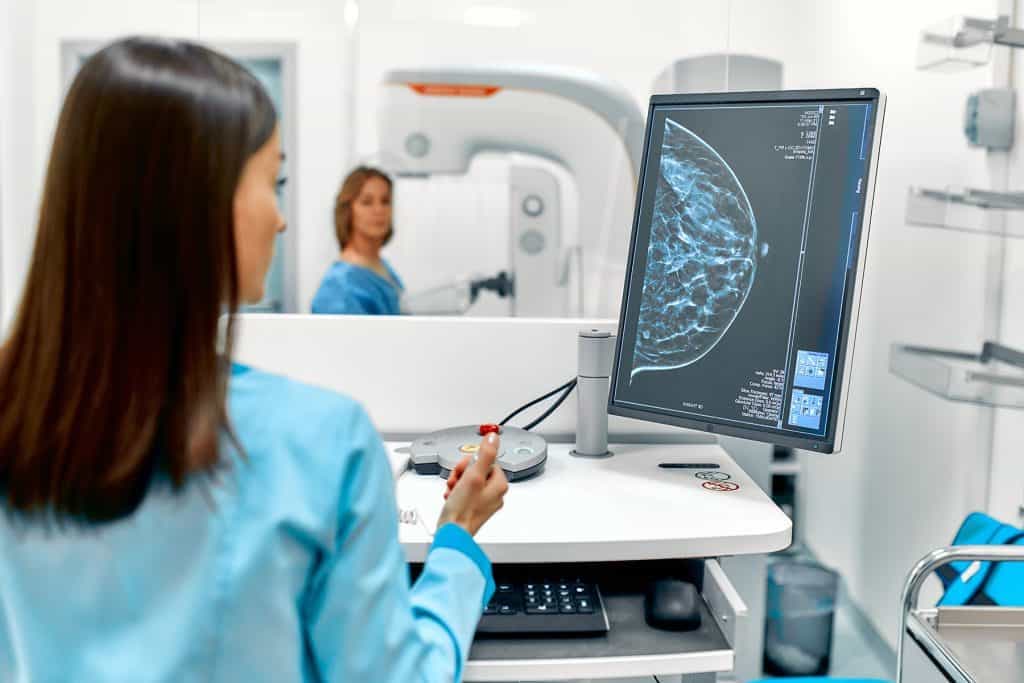
Physician reviewing diagnostic results

When does a missed testicular torsion become malpractice in Florida?

When an ER provider deviates from the accepted standard of care — such as skipping a prompt scrotal exam, Doppler ultrasound, or urology consult — and that delay costs a testicle timely surgery likely would have saved.

01 —

Overview

Modern emergency medicine has made remarkable progress, giving clinicians fast imaging, bedside ultrasound, and clinical scoring tools that can identify a true emergency within minutes of arrival. That said, every one of those tools depends on a clinician who recognizes the warning signs, takes the complaint seriously, and acts before the window for treatment closes.

Testicular torsion is one of the clearest examples of how much rides on that recognition. When a boy, teenager, or young man arrives at a Florida emergency room with sudden scrotal pain, the hours that follow can decide whether a testicle is saved or lost — and whether a delayed diagnosis crosses the line into medical malpractice.

We understand that families who come to us after a missed torsion are often dealing with grief, anger, and confusion all at once. Many were told it was a pulled muscle or an infection, sent home with antibiotics, and returned hours later to learn that surgery came too late.

This guide explains why torsion is so time-sensitive, how it is commonly misdiagnosed, what the standard of care generally requires, and how Florida's Chapter 766 pre-suit process applies to these claims. It is part of our broader coverage of failure-to-diagnose malpractice in Florida.

02 —

Why Testicular Torsion Is a Time-Critical Emergency

Testicular torsion occurs when the spermatic cord — the structure that carries blood vessels to and from the testicle — twists on itself. As the cord rotates, it first restricts venous outflow and then cuts off arterial blood supply, starving the testicle of oxygen.

Torsion can happen at any age, but it is seen most often in adolescents and in newborns. Many affected boys have an anatomical variation, often called a "bell clapper" deformity, in which the testicle is not firmly anchored inside the scrotum and can rotate more freely.

The defining feature of torsion is that tissue damage is time-dependent. Urologic literature generally describes the best chance of salvage when blood flow is restored within roughly six hours of pain onset, with salvage odds dropping steadily as the hours pass and becoming poor after about a day.

Accordingly, torsion is treated as a surgical emergency rather than a condition to watch. Keep in mind that the six-hour figure is a general benchmark rather than a hard cutoff — the degree of twisting, whether the torsion is complete or partial, and individual anatomy all affect how quickly damage occurs.

The consequences of losing that window can be life-altering. They include, but are not limited to:

  • Orchiectomy. When a testicle is no longer viable, surgeons typically remove it, a loss that can carry lasting physical and emotional effects for a young patient.
  • Testicular atrophy. Even when a testicle is saved after a prolonged delay, it may shrink over the following months because of the ischemic injury it sustained.
  • Fertility concerns. Damage to one testicle can raise questions about future fertility, which is a significant worry for adolescents and their parents.
  • Psychological harm. Body-image concerns, anxiety, and distress are well-recognized effects of losing a testicle, particularly during adolescence.
  • Additional procedures. Patients may face a prosthesis placement, follow-up surgery, or long-term monitoring of the remaining testicle.

All of these harms trace back to the same question. Was the torsion recognized and treated when a reasonably careful emergency provider would have recognized and treated it?

03 —

How Torsion Gets Missed in the Emergency Room

Torsion is frequently mistaken for other, less urgent conditions because its symptoms overlap with several common complaints. The classic presentation is sudden, severe, one-sided scrotal pain, often accompanied by nausea or vomiting — yet many patients do not present in the textbook way.

Some of the conditions torsion is most often confused with include:

  • Epididymitis. Inflammation or infection of the epididymis can cause scrotal pain and swelling, and a provider who anchors on this diagnosis may prescribe antibiotics and discharge a patient whose testicle is actively losing blood supply.
  • Muscle or groin strain. Athletic adolescents who develop pain after sports or exertion may be told they pulled a muscle, especially if they describe the pain as starting in the groin.
  • Abdominal or flank pain. Torsion pain can radiate to the lower abdomen, leading to workups for appendicitis, gastroenteritis, or kidney stones while the scrotum itself is never examined.
  • Torsion of the appendix testis. Twisting of a small, non-essential appendage near the testicle is generally less dangerous, but it can look similar, and confusing the two in the wrong direction can be catastrophic.
  • Trauma. A minor bump or fall can be blamed for pain that is actually caused by torsion, particularly when the history is unclear.

Beyond diagnostic overlap, several system and process failures contribute to missed torsion. These include incomplete genital examinations, especially when a teenager is embarrassed and reports only "stomach pain," as well as long triage waits that consume the critical window before a clinician ever sees the patient.

What's more, delays in obtaining a scrotal ultrasound, a radiologist's report that is not communicated promptly, or a urology consult that is requested but not escalated can each add hours. Similar communication breakdowns appear in other emergency misdiagnoses, including missed heart attacks in the ER and unreported radiology findings.

Remember that a patient's or parent's failure to describe symptoms perfectly is not the legal question. The legal question is whether the clinician asked the right questions, performed the right examination, and acted on what that examination showed.

04 —

What the Standard of Care Requires in Emergency Evaluation

Florida defines the standard of care in § 766.102 of the Florida Statutes as the level of care, skill, and treatment which, in light of all relevant surrounding circumstances, is recognized as acceptable and appropriate by reasonably careful similar health care providers. In a missed-torsion case, that usually means comparing the care given to what a reasonably careful emergency physician, physician assistant, nurse practitioner, or triage nurse would have done.

While the precise expectations depend on the facts of each case and on expert testimony, emergency evaluation of acute scrotal pain generally involves several recognized steps. These typically include:

  • Prompt triage. Acute scrotal pain in a child, adolescent, or young adult is widely taught as a high-priority complaint that should not wait in the lobby for hours.
  • A focused history. Clinicians generally ask about the timing and suddenness of onset, nausea or vomiting, prior episodes of similar pain that resolved on their own, and any recent trauma.
  • A physical examination of the genitals. Findings such as a high-riding testicle, a horizontal lie, swelling, and an absent cremasteric reflex can all point toward torsion, and abdominal pain in a young male is commonly taught to warrant a scrotal exam.
  • Clinical risk scoring. Tools such as the TWIST score (Testicular Workup for Ischemia and Suspected Torsion) were developed to help emergency clinicians stratify risk based on exam findings and symptoms.
  • Timely imaging. Color Doppler ultrasound is the imaging study most often used to evaluate blood flow to the testicle when the diagnosis is uncertain.
  • Early urology involvement. When torsion is suspected, urology references commonly advise contacting a urologist immediately rather than waiting for imaging results to come back.

Note that imaging supports clinical judgment and does not replace it. Doppler ultrasound is operator-dependent, and intermittent or partial torsion can show some blood flow at the moment of the scan.

For this reason, urology references commonly describe surgical exploration as appropriate when clinical suspicion remains high, even if imaging is equivocal or unavailable. A provider who delays surgery to wait for an ultrasound that cannot be obtained for hours may face hard questions about that choice.

Discharge decisions also matter. If a provider sends a patient home with a diagnosis of epididymitis or strain, the standard of care generally includes clear return precautions — instructions to come back immediately if pain worsens, if vomiting begins, or if swelling increases.

05 —

When a Delayed Diagnosis Becomes Malpractice

A bad outcome alone does not establish malpractice. Torsion can sometimes cause irreversible damage before a patient ever reaches the hospital, and in those cases even flawless emergency care may not save the testicle.

To succeed in a Florida medical malpractice claim, a patient generally must establish four elements. Here is how each tends to apply in a missed-torsion case:

  • Duty. The emergency physician, mid-level provider, nurse, or hospital owed the patient a duty of care once the patient presented for evaluation.
  • Breach. The provider deviated from the prevailing standard of care — for example, by failing to examine the scrotum, failing to order an ultrasound, misreading imaging, or failing to call urology.
  • Causation. The deviation more likely than not caused the harm, meaning that timely diagnosis and surgery would probably have saved the testicle or prevented the injury.
  • Damages. The patient suffered compensable losses, such as the loss of a testicle, additional surgery, medical expenses, and pain and suffering.

Causation is often the most heavily contested element in these cases. The defense may argue that the testicle was already unsalvageable on arrival, so medical records that document the time pain began, the triage time, the exam time, and the time of surgery become critically important.

Florida also has a provision that can raise the bar for emergency-room claims. Under § 768.13(2)(b) of the Florida Statutes, certain care provided in a hospital emergency department for an emergency medical condition may be judged under a "reckless disregard" standard rather than ordinary negligence.

Whether that heightened standard applies depends on factors such as the setting, the timing of the care, and whether the patient was stabilized. This is a technical, fact-specific question, so confirm with counsel how it may affect your case.

Liability may extend beyond a single physician. Depending on the facts, responsible parties may include the emergency physician, a triage nurse, a radiologist, an on-call urologist who delayed responding, or the hospital itself — a topic we cover further in our guide to suing a Florida hospital.

06 —

How Florida's Chapter 766 Pre-Suit Process Applies

Florida does not allow a medical malpractice lawsuit to be filed immediately. Instead, Chapter 766 of the Florida Statutes requires a structured pre-suit investigation before any complaint reaches a courtroom.

The process generally unfolds in several stages. While every case differs, the key steps typically include:

  • Pre-suit investigation. Under § 766.203, the claimant's attorney must conduct a reasonable investigation to determine whether there are grounds for a good-faith belief that negligence occurred and caused injury.
  • Verified expert opinion. That investigation must be corroborated by a verified written medical expert opinion, and in a torsion case the reviewing expert is often an emergency medicine physician, a urologist, or both, depending on who is being evaluated.
  • Notice of intent. Under § 766.106, the claimant serves each prospective defendant with a notice of intent to initiate litigation, along with the expert's opinion.
  • The 90-day investigation period. Once notice is served, the providers and their insurers generally have 90 days to investigate and respond by rejecting the claim, offering to settle, or offering to arbitrate damages.
  • Informal discovery. During pre-suit, the parties can exchange records and take unsworn statements, which often becomes the first real test of the timeline in a torsion case.

Timing interacts closely with the statute of limitations. Under § 95.11 of the Florida Statutes (cited for medical malpractice as § 95.11(4)(b), though the subsection numbering has been amended in recent sessions — confirm with counsel), a claim generally must be brought within two years from when the incident occurred or when it was discovered or should have been discovered with due diligence.

There is also a statute of repose that generally bars claims filed more than four years after the incident, with longer periods available in limited circumstances such as fraud or intentional concealment. Florida's narrow exception for children applies to claims brought on or before a child's eighth birthday, so families of adolescents should not assume they have extra time.

Serving a notice of intent tolls the limitations period during the 90-day investigation window. Florida law also permits an automatic 90-day extension under § 766.104 by filing a petition with the court, which can provide breathing room when expert review takes longer than expected.

Because these deadlines can overlap in complicated ways, it is wise to consult an attorney well before the two-year mark. You can learn more in our overview of the Florida malpractice filing deadline.

07 —

Our Medical Malpractice Attorneys Are Here to Help

A missed torsion diagnosis can leave a young patient with a permanent loss and a family wondering whether a few hours of earlier attention would have changed everything. Those questions deserve a careful, evidence-based answer.

Our team works with emergency medicine and urology experts to reconstruct the timeline, compare the care provided with the prevailing standard, and determine whether the delay caused the harm. We handle the Chapter 766 pre-suit requirements so that you and your family can focus on recovery.

Do you believe an emergency room missed or delayed a testicular torsion diagnosis for you or your child? We welcome the opportunity to speak with you about what happened and help you determine the next steps.

Free consultation. No fee unless we recover — and because Florida's two-year clock may already be running, do not wait to have your records reviewed.

If you are researching other emergency misdiagnoses, our guides on missed aortic dissection and cauda equina syndrome explain how similar time-critical failures are evaluated.

This article is for informational purposes and does not constitute legal or medical advice. Consult a qualified attorney in your jurisdiction about your specific situation.

Adam J. Zayed, founder and managing trial attorney at Zayed Law
Meet Your Attorney

Adam J. Zayed

Founder & Managing Trial Attorney — Zayed Law

$150M+Recovered for Clients
15+Years in Trial Practice

Adam J. Zayed is the founder and managing trial attorney of Zayed Law, a nationally recognized, multi-office firm representing individuals and families in catastrophic personal injury, medical malpractice, and wrongful death matters.

Mr. Zayed has recovered more than $150 million for injured clients and has represented plaintiffs in billion-dollar mass tort litigations. He carefully limits his caseload so every case receives the attention, craft, and strategic development needed to fully articulate each client’s losses.

Education

  • Juris DoctorNotre Dame Law School
  • MBA (Dean’s List)University of Chicago Booth School of Business
  • Bachelor’s, High HonorsLoyola University Chicago
  • Bar AdmissionsIllinois · Florida (national practice)

Honors & Associations

  • Top 40 — The National Trial Lawyers (Civil Plaintiff)
  • Top 25 Medical Malpractice Trial Lawyers
  • 10.0 Avvo Rating — Top Attorney
  • Super Lawyers 2025
  • Best Lawyers in America
  • Million Dollar Advocates Forum
Client Voices
Their dedication and hard work really show. I highly recommend this firm to anyone looking for trustworthy and reliable legal help.
FAQ

Frequently Asked Questions

Free Consultation

Get your free case evaluation today

Do you think you have a medical malpractice case based on an injury caused by a healthcare provider that occurred in Florida?

Miami skyline near our office
Location

Find Us

Miami Medical Malpractice Lawyers
804 NW 21 Terrace, Suite 205
Miami, FL 33127

Call 24/7305.916.6455

Get Directions